


Tesco ditching barcodes for QR codes in UK 'first' | 12-05-2026 |
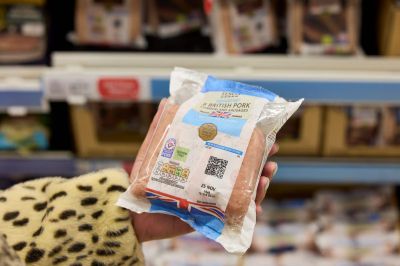
Tesco is replacing traditional barcodes with QR codes on a selection of its own-brand meat products, in what it says is it described as “one of the most revolutionary retailing improvements in decades”. The UK’s major supermarket retailer is applying QR codes to 13 lines of own-brand sausages, including Tesco Pork Sausages, Tesco Pork Chipolatas, Tesco British Pork Sausage Meat, British Cumberland Sausages and British Lincolnshire Sausages.
It said the move will give shoppers easier access to more detailed product information, while also helping retailers improve traceability, tighten stock control and reduce unnecessary food waste. Customers will be able to scan the codes using their smartphones to access information such as nutritional content and product traceability. Tesco said the technology could also be used in future to unlock recipe ideas, competitions and other digital content linked to specific products.
The rollout forms part of a wider industry shift led by global barcode standards body GS1, which is pushing for a broader adoption of QR codes across retail by 2027 under the Sunrise 27 project which has been reported on extensively by AIPIA. GS1 is a Gold Sponsor at the upcoming AIPIA/AWA Smart Packaging Congress in Amsterdam where these issues will be discussed.
Tesco said it’s a significant step forward for the sector, offering a more precise way to manage product recalls and reduce waste. Unlike traditional barcodes, QR codes can hold much more detailed information, including batch-specific data. That means retailers could identify and isolate affected items more accurately in the event of a recall, rather than removing all products within a category from sale. It added that the codes could eventually allow retailers to stop the sale of impacted batches at checkout and directly contact customers who may have bought them.
Tesco development and change director Peter Draper explained, “For customers, this is a tiny and almost invisible change at the checkout, but for the retail industry, it’s a significant step forward. Over time, this opens up exciting possibilities, such as personalised digital tools to help customers manage the food they buy and reduce waste at home.”
Many supermarkets are aiming to modernise product information systems and improve transparency for shoppers. This move by Tesco is a significant step towards the wider adoption of these connected packaging’ technologies and could signal a sea-change in the way major supermarkets handle product lines on the retail shelf, as well as through the supply chain.
ALL AT AIPIA/AWA SMART PACKAGING WORLD CONGRESS 2026